7 Best PLA 3D Filament in 2026

We compared pla 3d filament on print consistency, dimensional accuracy, color quality, spool handling, and price per kilogram.
Some links in this post are affiliate links; as an Amazon Associate we earn from qualifying purchases, at no extra cost to you.
Our top picks at a glance
- Strawberry Dinosaur 3D Printed PLA Figure, Hand-Painted — Best overall · $12.90 (was $18.90)
- Pineapple Dino 3D Printed Figure – Hand-Painted PLA Collectible — Runner-up · $12.90 (was $18.90)
- Gothic Dragon Flame Figurine 3D Printed PLA Decor — From our shop · $17.90 (was $22.90)
- SUNLU PLA Filament 1.75mm, 250g Spool Bundle, 3D Printer Filament | Beginner Friendly Mul… — Best for small multicolor prints · $37.49
- SUNLU PLA 3D Printer Filament, Black, 1KG | PLA Filament 1.75mm, Smooth Printing, Neatly… — Best for everyday PLA printing · $11.19
- Dynta 10 Colors 250g PLA 3D Printer Filament for Beginners, 1.75mm/±0.02mm | 2.5kg, Multi… — Best for beginners · $49.99
- AMOLEN PLA Silk 3D Printer Filament Dual Color Bundle, 1.75mm 4x200g Spool | Shiny Silk B… — Best for arts and crafts · $21.79
🏆 Our top pick: Strawberry Dinosaur 3D Printed PLA Figure, Hand-Painted — From our shop. Check Price on avdeb →
How we picked
We included widely sold PLA filaments available to buy online and compared maker-stated diameter tolerance, spool size, price per kilogram, color range, and drying or storage details. We also checked whether each filament comes vacuum sealed, includes a resealable bag, and lists recommended nozzle and bed temperatures.
💡 Pro tip: If you print large parts, compare price per kilogram and spool winding quality; neat winding can reduce feeding issues on long jobs.
1. Strawberry Dinosaur 3D Printed PLA Figure, Hand-Painted
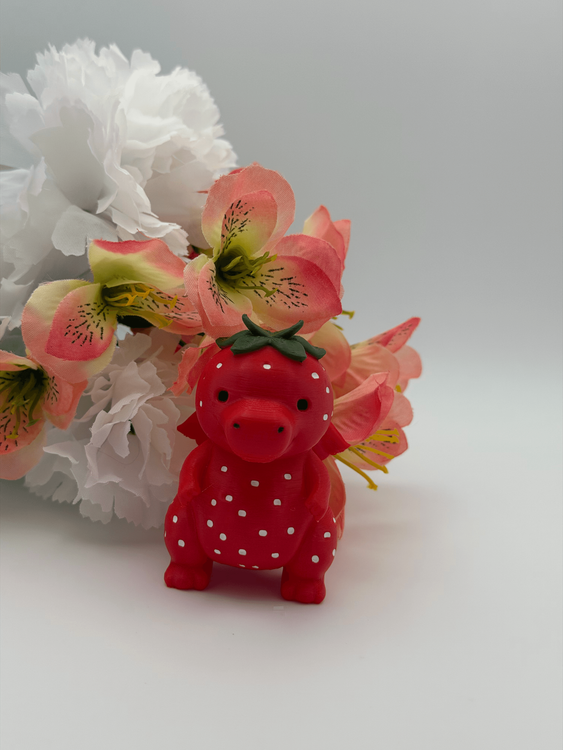
🏆 Best overall · From our shop · Price: $12.90 (was $18.90)
- ✅ 3D printed PLA figure
- ✅ Hand-painted design
- ✅ $12.90, was $18.90
2. Pineapple Dino 3D Printed Figure – Hand-Painted PLA Collectible
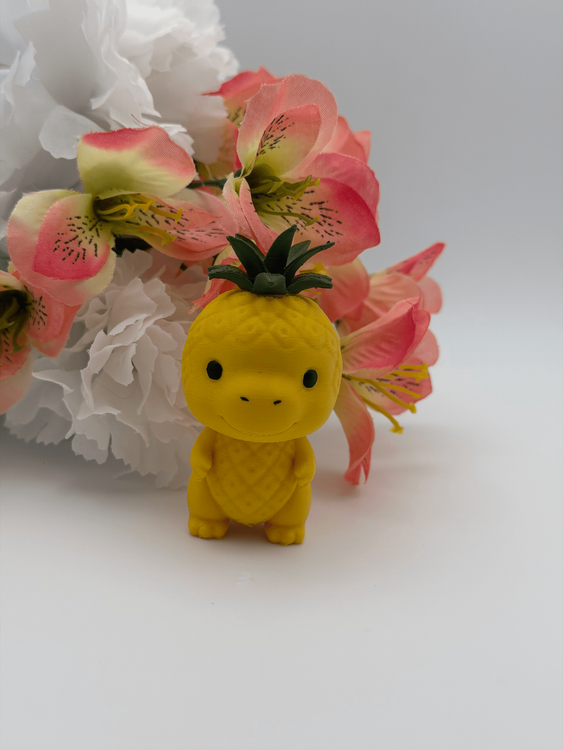
🏆 Runner-up · From our shop · Price: $12.90 (was $18.90)
- ✅ 3D printed figurine
- ✅ Hand-painted PLA collectible
- ✅ $12.90, was $18.90
3. Gothic Dragon Flame Figurine 3D Printed PLA Decor
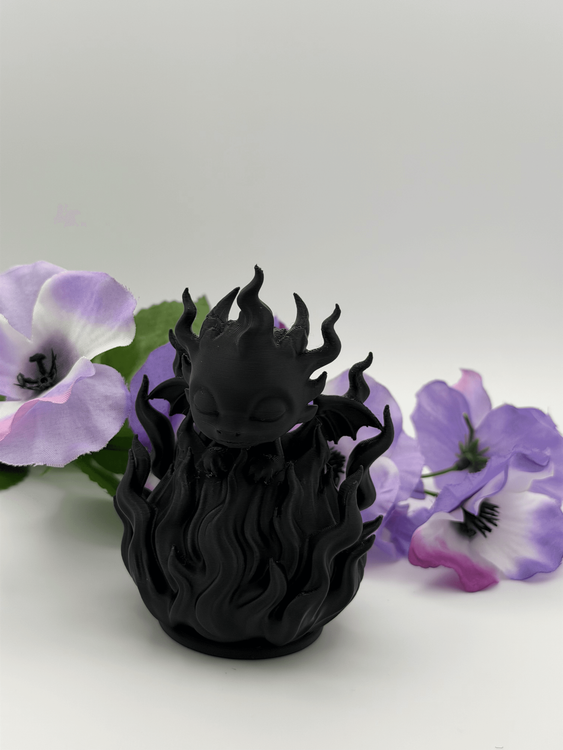
From our shop · Price: $17.90 (was $22.90)
- ✅ 3D printed PLA figurine
- ✅ Dragon-themed decor
- ✅ $17.90, was $22.90
4. SUNLU PLA Filament 1.75mm, 250g Spool Bundle, 3D Printer Filament | Beginner Friendly Mul…

Best for small multicolor prints · Price: $37.49
- ✅ 250g mini spools bundle
- ✅ Built for smooth PLA printing
- ✅ Fits most 1.75mm FDM printers
5. SUNLU PLA 3D Printer Filament, Black, 1KG | PLA Filament 1.75mm, Smooth Printing, Neatly…

Best for everyday PLA printing · Price: $11.19
- ✅ 1.75mm PLA filament
- ✅ ±0.02mm dimensional accuracy
- ✅ Suitable for almost all FDM printers
6. Dynta 10 Colors 250g PLA 3D Printer Filament for Beginners, 1.75mm/±0.02mm | 2.5kg, Multi…

Best for beginners · Price: $49.99
- ✅ 10 colors in 250g mini spools
- ✅ 1.75mm filament, ±0.02mm
- ✅ Vacuum sealed with desiccant
7. AMOLEN PLA Silk 3D Printer Filament Dual Color Bundle, 1.75mm 4x200g Spool | Shiny Silk B…

Best for arts and crafts · Price: $21.79
- ✅ Dual-color silk PLA bundle
- ✅ 4x200g spools, 800g total
- ✅ 1.75 mm with ±0.02 mm tolerance
PLA 3D filament is still the default recommendation for most hobby printers in 2026, but the gap between a clean, glossy print and a brittle, stringy mess often comes down to one thing: the spool. I’ve run enough benchies, brackets, articulated toys, and failed first layers to say this plainly — two rolls that both say “1.75mm PLA” can behave completely differently at the nozzle.
That matters more now because printers have gotten faster. A spool that looked fine at 50 mm/s can suddenly under-extrude, string, or snap when you push modern machines past 200 mm/s, especially if the filament diameter swings beyond ±0.02 mm or the winding is inconsistent.
So if you’re researching the 7 Best PLA 3D Filament in 2026, the real question isn’t just “which one ranks highest?” It’s which type of PLA 3D printer filament fits your printer, your print speed, and the models you actually make. Below, I’ll focus on the practical stuff that helps you choose well: use cases, print settings, common failures, and how to avoid wasting half a spool chasing perfect results.
Which type of pla 3d filament is actually best for your printing style?
The best pla 3d filament for most people is standard matte or standard glossy PLA with a tight diameter tolerance and clean spool winding. If you print miniatures, organizers, test parts, or school projects, standard PLA remains the easiest material to tune and the least frustrating to live with.
That said, “best” changes fast based on your use case.
- Best for beginners: standard PLA in basic colors, ideally on a 1 kg spool
- Best for decorative prints: silk or dual-color PLA for shine and visual depth
- Best for kids’ projects and test prints: smaller spool bundles in multiple colors
- Best for fast printers: PLA marketed for smooth high-speed flow and consistent feeding
- Best for display figures: specialty finishes with stronger color layering and low surface haze
For example, the SUNLU PLA Filament 1.75mm, 250g Spool Bundle makes sense if you want color variety without buying full-size rolls. Meanwhile, the SUNLU PLA 3D Printer Filament, Black, 1KG is the more practical everyday choice for repeatable prototypes, brackets, and calibration prints.
If you’re new to pla filament for 3d printers, start boring. Black, white, or gray standard PLA exposes print flaws clearly, which makes tuning easier than hiding defects under rainbow silk finishes.
7 Best PLA 3D Filament in 2026: what each type is best at
The ranked list above covers the actual picks, so I won’t repeat it. What matters here is how those options behave in real printing.
Standard black or white pla 3d printer filament for reliable everyday prints
If you print often, standard black or white pla 3d printer filament is usually the smartest first spool. It tends to show the most predictable extrusion behavior, and it’s easier to dial in temperature, retraction, and cooling on neutral colors than on filled or silk variants.
Use this kind of pla filament 3d printing material for:
- calibration cubes
- gridfinity bins
- cable clips
- cosplay test parts
- classroom models
- replacement knobs and covers
The SUNLU PLA 3D Printer Filament, Black, 1KG fits this lane well because a full spool gives you enough material to tune, fail, reprint, and still finish the project.
Multi-color starter packs for learning without wasting money
Beginner bundles solve one real problem: you don’t know what color or finish you’ll actually use yet. Smaller rolls let you test adhesion, bridging, and overhang performance across several colors before committing to larger spools.
The Dynta 10 Colors 250g PLA 3D Printer Filament for Beginners is the obvious use case here. For school projects, fidget toys, tags, keychains, and first-week prints, a multi-pack of pla filament 3d print spools often gives better value than buying three separate full-size rolls you may never finish.
A lot of new users overlook this: pigment can slightly affect print behavior. Dark black and bright white often tune differently from metallic-looking or pastel shades, even within the same line.
Silk and dual-color pla filament for 3d printing when appearance matters more than speed
Silk PLA looks fantastic, but it’s less forgiving than standard PLA. You often need slower outer walls, slightly hotter nozzle temperatures, and cleaner part cooling to keep sheen consistent and layer lines from popping.
The AMOLEN PLA Silk 3D Printer Filament Dual Color Bundle is built for display-first prints:
- dragons
- decorative vases
- cosplay accents
- giftable desk toys
- social-media-ready figurines
If your goal is a beautiful 3d filament pla finish, silk can beat standard PLA every time. If your goal is dimensional accuracy on clips or threaded parts, standard PLA is still the safer bet.
Small-batch collectible and figure-focused PLA pieces
The page also lists finished PLA figures like the Strawberry Dinosaur 3D Printed PLA Figure, Hand-Painted, Pineapple Dino 3D Printed Figure – Hand-Painted PLA Collectible, and Gothic Dragon Flame Figurine 3D Printed PLA Decor. These aren’t filament spools, but they do show what tuned PLA can achieve after cleanup, sanding, and painting.
That’s useful because many buyers judge 3d printing filament pla by raw off-the-bed results. In practice, a lot of premium-looking PLA decor comes from average-looking prints that were post-processed well.
7 Best PLA 3D Filament in 2026 for different budgets: where the sweet spot really is
You don’t need premium pricing to get good pla filament for 3d printer results. In my experience, the sweet spot is usually the mid-range standard spool or a well-reviewed color bundle, not the cheapest no-name roll and not the fanciest effect filament.
Under the lower budget range: best for practice and color testing
Smaller spools and sample packs are best if you’re still learning:
- first-layer leveling
- temperature towers
- support removal
- seam placement
- basic slicer settings
This is where 250 g spools shine. They reduce waste while you learn how 3d printer pla filament reacts to your machine.
Mid-range: the best value for most printers
For most users, a standard 1 kg spool of pla 3d print filament is the best buy. You get enough material for multiple projects, enough consistency to tune once and print repeatedly, and lower cost per gram than mini spools.
If you print organizers, helmets, props, brackets, or classroom parts, this is usually the best lane.
Premium range: worth it for visual impact, not always for functional parts
Specialty finishes can be worth the upgrade if the print itself is the final product. Silk, dual-color, and high-visual-impact PLA can make a simple dragon or vase look dramatically better without paint.
But if you’re printing drawer clips or test jigs, paying more for visual effects often gives you zero practical benefit.
What should you look for before buying pla 3d filament in 2026?
Here’s the short list I actually use before opening a new spool.
Diameter tolerance Look for 1.75 mm filament with tight consistency, ideally around ±0.02 mm. Bigger variance raises the odds of inconsistent extrusion, especially on fast prints.
Spool winding Neat winding reduces snagging and sudden tension spikes. A spool that crosses over itself can ruin a 9-hour print even if the material quality is otherwise fine.
Moisture resistance in storage PLA absorbs less moisture than some materials, but it still degrades in humid rooms. Brittle snapping and random popping at the nozzle often point to wet filament, not bad slicer settings.
Finish matched to purpose Use standard PLA for dimensionally sensitive parts. Use silk or decorative blends when surface appearance matters more than strength.
Printer compatibility Most consumer machines handle PLA well, but very fast printers need a spool that can maintain stable flow. That’s especially true if you’re pushing filament 3d printer pla through a 0.4 mm nozzle at aggressive volumetric flow rates.
Spool size Buy 250 g spools for testing colors. Buy 1 kg spools for repeat use. That simple choice saves a surprising amount of money over a year of 3d printing pla filament projects.
If you want a broader material breakdown beyond PLA, PETG, and setup basics, pla vs petg filament is a useful comparison starting point.
What print settings work best for pla filament 3d printing on modern printers?
Most PLA prints well in a narrow range, but not all PLA likes the same speed. A safe baseline for pla filament 3d printer use is:
- Nozzle: around 200–220°C
- Bed: around 50–60°C
- Part cooling: high after the first few layers
- Layer height: 0.2 mm for general prints
- Initial speed: slower first layer for adhesion
- Outer wall speed: lower for cleaner surface finish
For silk PLA, go a bit slower on visible walls. For standard black PLA, you can usually push speed higher once flow is calibrated.
Pro tip: dry-looking under-extrusion isn’t always a temperature problem. On several modern printers, the real culprit is volumetric flow set too high for the filament, especially on glossy or additive-heavy PLA blends.
If you need a more detailed setup walkthrough for pla filament for 3d printing, start with this resource.
Why does pla filament fail? The most common problems and the fixes that actually work
Most PLA failures fall into a handful of repeat patterns.
Stringing between parts
Usually caused by one of three things:
- nozzle temperature a bit too high
- retraction not tuned
- moisture in the spool
Silk PLA tends to string more than standard PLA, so don’t judge all pla filament for 3d printers by one decorative roll.
Brittle filament snapping before it reaches the extruder
This often means the spool absorbed moisture or sat exposed too long. Drying the spool can restore printability, especially if the filament breaks sharply instead of bending.
Poor first-layer adhesion
If your 3d print pla filament won’t stick, check the obvious first:
- dirty build plate
- nozzle too far from bed
- bed temp too low
- cooling fan turning on too early
Rough top layers or random under-extrusion
This is common when you move from slow legacy PLA profiles to fast 2026 printers without adjusting flow limits. The filament may be fine; your machine may simply be trying to melt it faster than the hotend can keep up.
What review patterns should make you cautious before buying pla 3d filament?
Even without naming extra brands, some warning signs show up again and again in buyer feedback.
- Brittleness out of the box usually points to poor storage or old stock
- Tangling in the first half of the spool suggests bad winding, not user error
- Color mismatch from listing photos happens most on specialty PLA
- Inconsistent sheen on silk prints often shows up when wall speed is too high
- Dusty residue at the nozzle can indicate additive-heavy blends
If you’re comparing decorative PLA with more utilitarian spool types, seemingly unrelated materials guides can still teach useful durability thinking. For instance, durable plastic cheer megaphones tips oddly echoes the same lesson: plastic performance depends as much on formulation and use case as on the label.
And yes, broad review aggregation still helps. I sometimes cross-check shopping patterns the same way people inspect unrelated buying guides like www.google.com.pr or www.google.com: the best products usually show consistent praise for reliability, not just hype about looks.
Is specialty PLA worth it, or should you stick with standard 3d printing filament pla?
For most users, standard PLA should be your default and specialty PLA should be your second spool, not your first. That single choice solves a lot of frustration because you always have one known-good material for troubleshooting.
Use specialty PLA if you care about:
- visual depth
- shine
- color-shift effects
- giftable decor
- fantasy figures and display models
Stick with standard pla 3d printing filament if you care about:
- repeatability
- dimensional accuracy
- easier support removal
- cleaner tuning
- less troubleshooting
The same logic shows up in adjacent hobby products too, whether you’re comparing finishes on journaling extras via this page or color-heavy novelty items through Sampleproposal. Decorative surfaces often trade a little simplicity for visual appeal.
The single best buying rule for the 7 Best PLA 3D Filament in 2026
If you only remember one thing from this guide to the 7 Best PLA 3D Filament in 2026, make it this: buy standard PLA first, tune it fully, then add specialty PLA once you know your printer’s limits.
That approach gives you a reliable baseline for temperature, retraction, and flow. Once your machine prints cleanly with plain pla 3d filament, you’ll know whether a later problem comes from the filament, the slicer profile, or the printer itself.
Frequently Asked Questions
what is the best pla filament for 3d printing?
The best PLA filament for 3D printing is usually a standard 1.75 mm PLA with tight diameter tolerance, clean winding, and stable flow on your printer. For most users, standard black, white, or gray PLA is the easiest to tune and the most reliable for everyday printing.
3d printer filament pla vs abs
PLA is easier to print, needs less warping control, and works well on open-frame printers, which is why most beginners start there. ABS handles heat better, but it usually needs higher temperatures and a more controlled printing environment.
3d printer filament abs vs pla
ABS is the better choice for parts exposed to higher heat or tougher impact conditions, while PLA wins for ease of use and cleaner-looking prints. If you want fewer failed prints and simpler setup, PLA is still the safer pick in 2026.
3d printer filament pla vs petg
PLA prints more easily and usually gives sharper visual detail, while PETG offers better impact resistance and durability for utility parts. If your project is decorative, educational, or low-stress, PLA is typically the better first option.
is pla filament worth it for beginners in 2026?
Yes — PLA is still the best starting material for beginners because it prints at moderate temperatures, sticks well with basic setup, and needs less enclosure management than ABS. A good spool of PLA helps you learn leveling, slicer settings, and troubleshooting faster than almost any other filament type.
The bottom line
If you only pick one, make it Strawberry Dinosaur 3D Printed PLA Figure, Hand-Painted (From our shop).